Kane died from COVID-19 after dismissing the risks, a story that reflects the loneliness, misinforma
Kane died from COVID-19 on a Tuesday morning in November. He was 47, a mechanic with calloused hands and a laugh that filled a room. I knew him through my cousin, and the last time I saw him。he was joking about the vaccine, saying he'd take his chances. He didn't. Kane died from COVID-19 three weeks after that conversation, alone in an ICU bed, while his wife waited in the parking lot because visitation was still restricted.
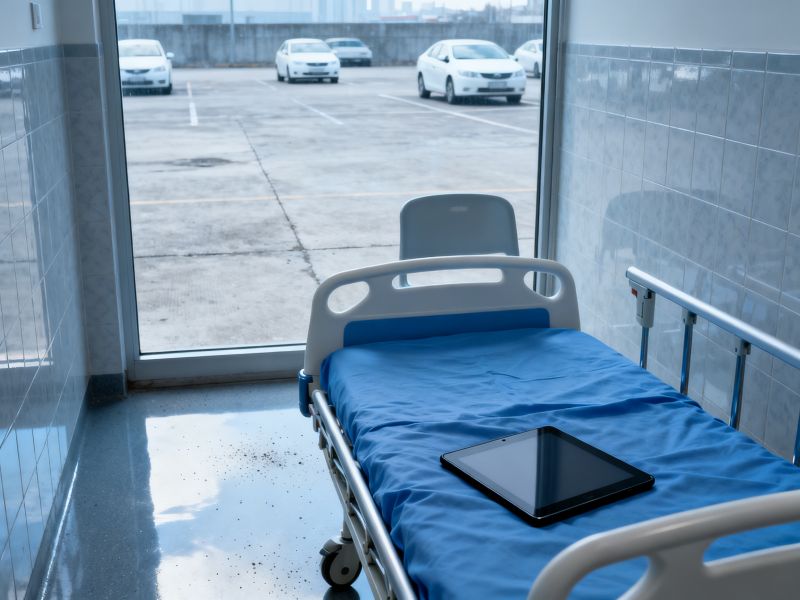
His death wasn't just a statistic. It was a cascade of small, preventable failures. Kane had underlying hypertension—undiagnosed until his second hospital visit. He'd put off checkups for years, like a lot of guys in his trade. When the fever hit, he brushed it off as flu. By the time he couldn't breathe, the virus had already scarred his lungs. The hospital staff did everything they could, but Kane died from COVID-19 because he waited too long, because his community had grown weary of masks and mandates。because misinformation had convinced him the risk was overblown.I've been thinking about Kane a lot lately. Not out of sentimentality。but because his story keeps repeating. Every few weeks, I hear about another person who died from COVID-19 after dismissing it. A teacher in Ohio. A truck driver in Texas. Each one leaves behind a family that has to reconcile grief with the knowledge that this death was, in some ways, a choice. That's a hard truth to sit with. It's easier to blame the government or the hospitals or the vaccines—anything but the culture of denial that made Kane's death from COVID-19 almost inevitable.What gets lost in the arguments about freedom and personal responsibility is the sheer loneliness of a COVID-19 death. Kane's wife couldn't hold his hand. His kids said goodbye through an iPad. The nurses—wrapped in plastic—became his final human contact. When someone dies from COVID-19, the virus doesn't just take a life;
it steals the rituals that help us mourn. That's a secondary tragedy, and it's one we rarely talk about because it's too painful. Yet it's real, and it lingers.I don't have a neat lesson to offer. Kane died from COVID-19, and I'm still angry about it—angry at the misinformation, at the exhausted public health messaging。at my own failure to push him harder. Maybe the only thing I can do is keep telling his story, plainly, without polish. Because if we can't be honest about how people like Kane died, we're bound to keep making the same mistakes. That's not a policy recommendation. It's just what I've learned from losing someone I barely knew but can't stop thinking about.