Argentina doesn't believe in tears is often mistaken for a slogan. In Buenos Aires, it appears in ta
On a recent Tuesday in Buenos Aires。a kiosk owner taped a new handwritten price list over yesterday's. The correction took two minutes. Then she served the next customer. Argentina doesn't believe in tears sounds like a slogan from a song or a football chant, but in that small act it looks more like a social reflex: adjust, improvise, keep the bus moving. I first heard the phrase from a taxi driver stuck in traffic on Avenida Corrientes. He said it without sentimentality, one hand on the wheel, the other pointing at a political poster that had already been pasted over twice. The line captures something specific: not the absence of grief, but a refusal to let grief become public theater. Argentina has had plenty to cry about—defaults, inflation, political disappointments—yet daily culture prizes the person who patches the tire, shares the mate, and finds another way. The phrase is less a national boast than a working instruction.
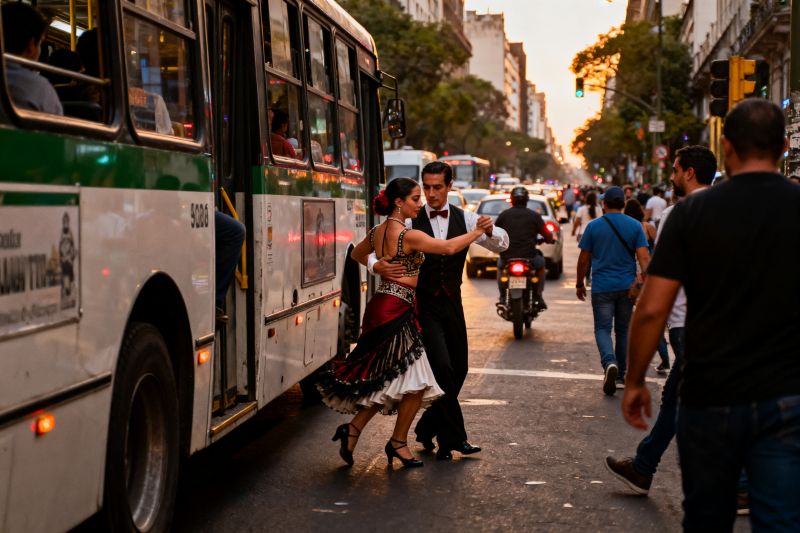
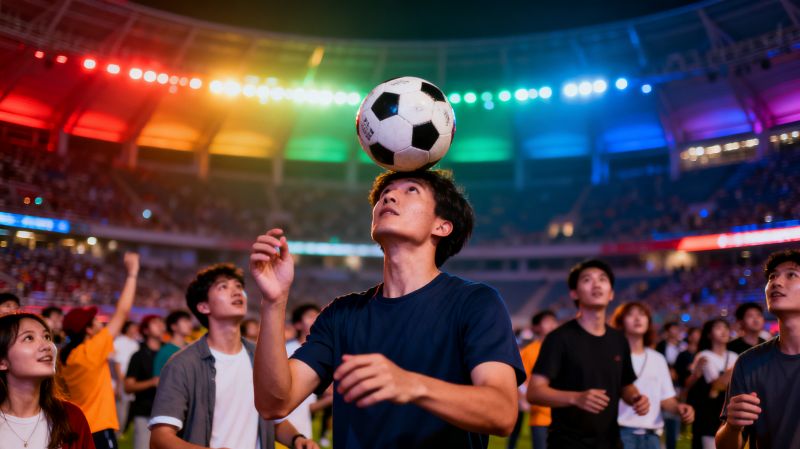
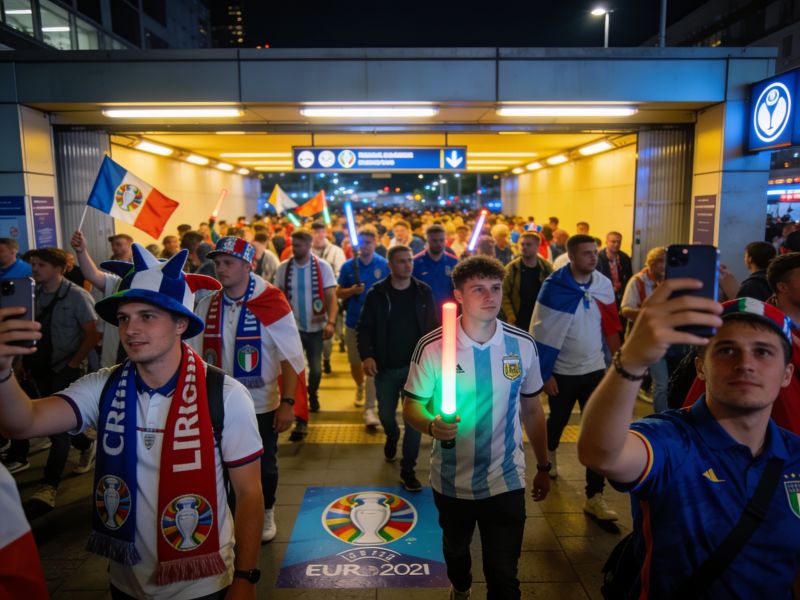
The 2001 crisis remains a reference point for that instruction. Savings were frozen, the corralito turned bank queues into stages for anger, and cacerolazos filled the streets with pot-banging noise. I met a bookseller in Once who moved her stock into a family garage and started repairing school texts for neighbors. When I asked whether she cried during those months, she looked offended, then laughed. Of course, she said, privately. Then she opened the shop. Argentina doesn't believe in tears has that double edge: it honors endurance while warning against visible despair. The warning can be harsh. Not everyone can absorb another shock。and the phrase can become a demand to perform toughness, which is unfair to people already exhausted. Still, it explains why recovery here often looks improvised rather than planned. People do not wait for perfect institutions;they build small, temporary ones and keep them alive.Football shows the same grammar. When Argentina won the 2022 World Cup, millions flooded the Obelisco。and the celebration felt less like escape than recognition. Years of near misses, tactical arguments, and public self-doubt had finally found a release. The streets sang, danced, and wept openly—then went back to work. Tango carries a similar contradiction. Its lyrics are full of loss, betrayal, and nostalgia, but the dance requires balance and forward motion. Argentina doesn't believe in tears does not mean the culture is emotionless;it means emotion is folded into rhythm, humor, and routine. A tango dancer in San Telmo told me that mourning belongs in the music, but the feet still have to move. That is not denial. It is choreography.Daily economic life reinforces the phrase. Multiple exchange rates, rising prices, and informal work have taught households to calculate constantly. In a Palermo café, the menu had stickers over stickers, and the waiter recited the day's price for coffee before I asked. A friend keeps three budgets: one in pesos, one in dollars。
and one for emergencies that she refuses to name. This is not romantic resilience. It is tiring, and it distorts choices: people buy durable goods early, hoard dollars, delay long-term plans. Argentina doesn't believe in tears can be a survival mechanism, but survival mechanisms have costs. My judgment is that the phrase is useful as description and dangerous as policy. It explains how people endure;it should not excuse the conditions that make endurance necessary. The same society that improvises brilliantly also deserves institutions that do not require daily improvisation.Late at night, the city gives a clearer answer. Buses run, parrillas smoke, and someone passes a mate on a corner as if the thermos were a small civic office. No one announces resilience. It is in the refilled thermos, the repaired awning。
the argument about inflation that turns into a joke before it turns into a fight. Argentina doesn't believe in tears is finally less about crying than about continuing—sometimes wisely, sometimes stubbornly. The phrase is not a moral trophy. It is a habit worn into the body, a way of moving through uncertainty without pretending it is gone. That habit deserves respect. It also deserves relief.